







Search Results for: production qualifications
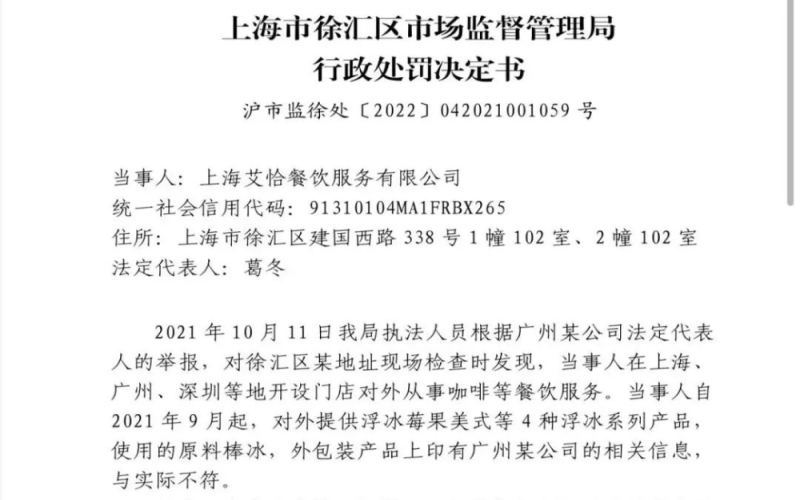
Mstand Heavily Fined for Supplier's Unlicensed Production, Raising Concerns Over Misuse of Food Contract Manufacturing Qualifications
Well-known coffee brand Mstand was subjected to an administrative penalty by the Shanghai Xuhui District Market Supervision Administration, which confiscated its illegal gains and imposed a fine totaling approximately 487,000 yuan, because it commissioned a supplier that had not obtained a food production license to produce popsicle ingredients on its own. The incident originated from the supplier fraudulently using a third party's qualifications, exposing loopholes in qualification review in the food contract manufacturing sector. This article provides a detailed review of the penalty process, the amount involved, and the legal basis, and explores the difficulties small coffee brands face in compliant production. At the end, it also includes professional coffee knowledge exchange channels and Front Street Coffee recommendations for coffee enthusiasts' reference. [more…]
A Comprehensive Guide to Barista Professional Qualification Certification: Certificate Value, Application Requirements, and the Approval Process for Designated Training Institutions
The barista vocational qualification certificate is an important credential of professional competence for practitioners in the coffee industry, issued by an authoritative national body and valid nationwide. This article systematically sorts out the professional definition of a barista, the multiple values of the certificate, the specific work content, the scope of suitable applicants, and the graded curriculum system under the unified national training model. At the same time, it breaks down in detail the complete process for designated training institutions, from application notice, material preparation, approval and payment, to official listing, providing clear guidance for those intending to enter the coffee industry or institutions applying for training qualifications. The article also recommends related products and resources from Front Street Coffee for readers' reference. [more…]
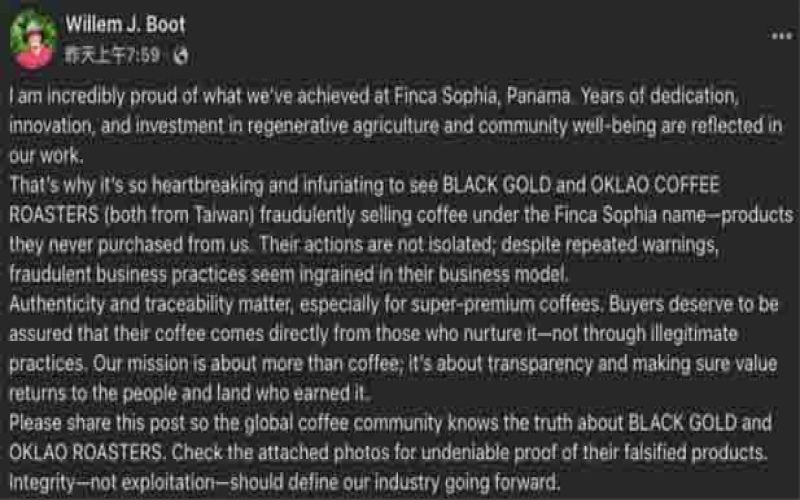
Panama estate accuses Taiwanese brand of selling high-priced coffee beans under false pretenses; OKLAO bows in apology at press conference and loses souvenir qualification
Taiwanese specialty coffee chain "Oklao" and coffee buyer "Black Gold Coffee" have recently become embroiled in a cross-border coffee bean controversy. Willem J. Boot, the owner of the renowned Panama estate Finca Sophia, publicly accused the two of selling coffee products under the name "Finca Sophia" in both 2023 and 2025 without ever purchasing from the estate. The incident continued to escalate: Black Gold Coffee went from initially denying it to deleting its post and apologizing, while Oklao held a press conference on December 19, at which its chairman and general manager bowed in apology, admitting that internal operational errors led to the estate name being mislabeled. A local regulatory authority investigation determined that the product labeling did not match the source, and as a result Oklao had its "Taichung Top 10 Souvenirs" award eligibility revoked and faced consumer returns and compensation. This article provides a complete rundown of the incident timeline, both parties' responses, and the subsequent fallout, so coffee enthusiasts can understand the full story behind this brand trust crisis. [more…]

Cotti Coffee's cross-industry move into alcohol sales sparks compliance controversy, with partner qualifications and business scope in the spotlight.
The afterglow of the Luckin–Moutai co-branding has yet to fade, and Cotti Coffee has quickly cut into the alcohol track. In December 2023, the Moutai Public Welfare Foundation and Cotti jointly established two funds at the Moutai Hotel in Guizhou, and authorized Cotti to exclusively sell Moutai Bu Lao Jiu and Maotan Jiu, donating 10 yuan for every bottle sold. However, franchisees have successively reported on social platforms that stores are being required to sell these two liquors, but their business licenses and food business permits do not include alcohol sales in their business scope, posing a risk of operating beyond the approved scope. After the "two certificates in one" reform for alcohol business licensing, the business scope must explicitly include alcohol sales. Whether Cotti stores can legally sell alcohol has become a hot topic of industry attention. [more…]

An influencer coffee shop was penalized for using imported coffee beans of no lawful origin, drawing attention to food compliance issues in the coffee industry.
Recently, the Market Supervision Bureau of Yuecheng District, Shaoxing City, investigated and penalized a popular coffee shop. The shop was found using imported coffee beans without Chinese labels and could not provide proof of legal origin. It was also involved in selling coffee equipment without Chinese labels. Ultimately, it was fined 25,000 yuan and the related products were confiscated. This case reveals a common compliance risk in the procurement and use of coffee beans by specialty coffee shops: whether self-roasting or external procurement, coffee bean raw materials require corresponding food business or production licenses and product qualification inspection reports. As market supervision intensifies, coffee operators urgently need to self-check risks to ensure legal and compliant operations. [more…]

A Comprehensive Guide to Q-Grader Coffee Quality Grader Certification: Exam Content, Costs, and Career Value
In the specialty coffee world, how can the quality of a bean be objectively judged? In the cupping scoring systems of SCA and COE, 85 points is the dividing line between specialty coffee and commercial beans, and the key role who holds the power to assign scores is the Q-Grader. This qualification, developed and certified by CQI, has fewer than 10,000 certified holders worldwide. What assessments must one go through to obtain Q-Grader certification? Is it really worth the time and money? This article will systematically sort out the origins and background of Q-Grader, the eight assessment modules of the Q Program, the difficulty of the exam, and its practical value in career development, helping coffee professionals and enthusiasts make a rational judgment. [more…]
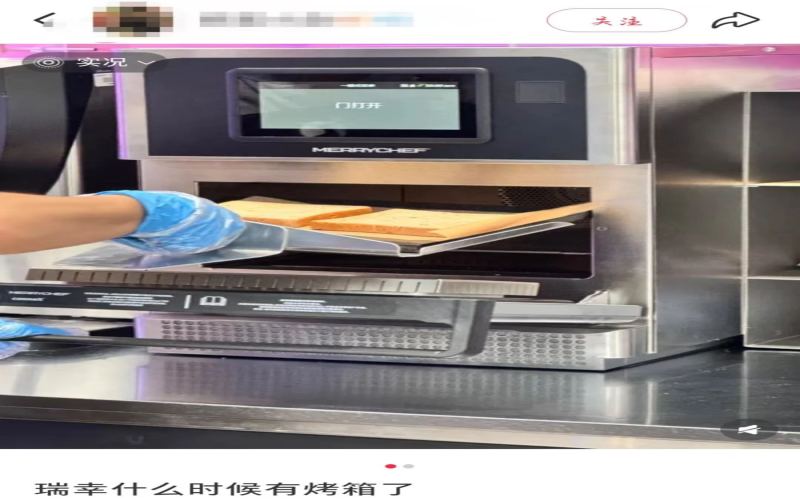
Individual Luckin Coffee stores adding ovens sparks employee discussion, nationwide rollout may be constrained by licensing requirements
Chain coffee brands continue to enrich their bakery product lines. Luckin Coffee was recently reported to have installed ovens at a store in Shanghai, capable of heating light meals such as sandwiches. Once the news broke, consumers widely applauded and looked forward to a nationwide rollout; but frontline employees pushed back strongly, worried about cleaning burdens, service efficiency, and customized requests. Some level-headed voices pointed out that currently only special store formats such as flagship stores have the conditions for heating, and a nationwide rollout is still restricted by food processing qualifications. This article will walk you through the full picture of the incident and the voices from all sides. [more…]

What is a Q-Grader? Is it worth taking the test?
There always is such a group of people who have obtained a code for self-reference due to the particularity of their profession. Even in the seemingly not vast field of coffee, there is also such a profession. After the concept of specialty coffee wa [more…]

Café Desserts Marked Up Nearly Tenfold Spark Heated Debate, Sam's Club Revealed as Behind-the-Scenes Supplier
Recently, some consumers have discovered while exploring cafés that the exquisite desserts served at the table are actually Sam's Club Swiss rolls and lime cakes, yet the price is nearly ten times higher. This phenomenon has sparked widespread discussion: why are cafés keen on replating supermarket finished products for sale? Why do consumers feel dissatisfied? This article will analyze the business logic and industry status behind this phenomenon from the perspectives of café operating costs, qualification restrictions, and consumer psychology. [more…]
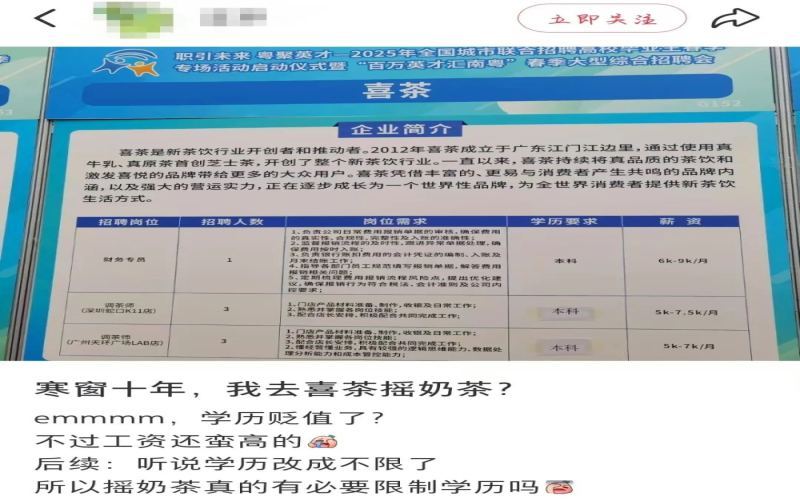
HEYTEA's barista job posting requiring a bachelor's degree sparks debate; store responds that promotions are not based solely on academic qualifications.
Recently, Heytea publicly recruited tea preparers at a job fair in Guangzhou, and the education requirement column conspicuously stated "bachelor's degree," sparking widespread discussion on social media platforms. An applicant revealed that the requirement was initially "associate degree," but was later changed to "bachelor's degree" with a sticker. Many netizens questioned: does shaking milk tea require a bachelor's degree? In response, a Heytea store stated that the tea preparer position places more emphasis on individual ability, education is not a hard threshold, and promotions are not based on education. After the incident gained traction, the education requirement on the recruitment notice was changed back to "no requirement." This recruitment controversy reflects the sensitive topic of the match between education and job positions in the current job market, and also prompts people to reconsider: where exactly is the professional threshold behind a cup of milk tea? [more…]

Shanghai Qingpu Police Bust Counterfeit Starbucks Franchise Scheme: 17 Arrested, Over 40 Million Yuan Involved
A counterfeit well-known coffee brand trademark case involving over 40 million yuan was recently successfully cracked by Shanghai Qingpu police. The criminal gang recruited franchisees nationwide under the name "Starbucks Coffee Service," falsely claiming to have official franchise qualifications and guiding the opening of counterfeit stores. In January 2024, the police launched a unified arrest operation, apprehending 17 suspects led by Yin. The case exposed a complete criminal chain from production and manufacturing, warehousing and transportation, to business training and marketing consulting, and also sounded an anti-fraud alarm for investors in the franchise chain sector. [more…]
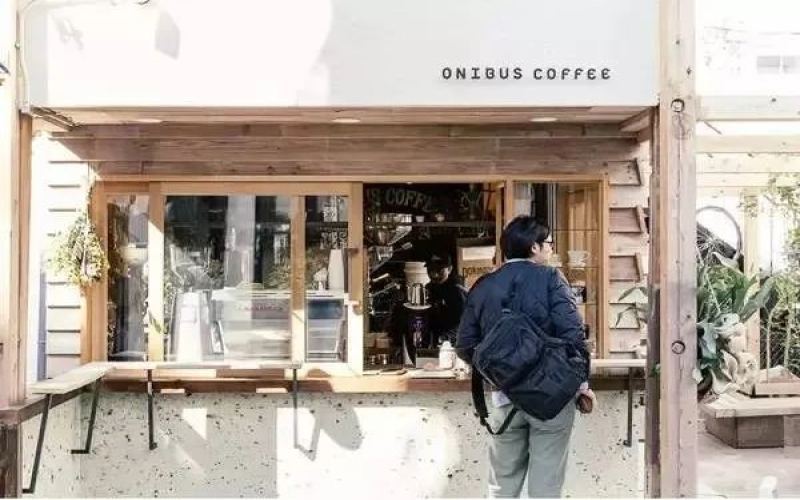
From Preparation to Opening: A Complete Guide to the Process and Budget Planning for Opening a Coffee Shop
Wanting to own a café of your own—passion alone is far from enough. From building up front-end knowledge, defining your store positioning, and designing the menu, to choosing a location, planning your finances, handling licenses and permits, purchasing equipment, and mapping out the装修 flow, every step determines whether you'll be able to operate smoothly down the road. This article systematically lays out the complete process of opening a coffee shop from preparation to grand opening, and breaks down in detail the logic for calculating startup capital and daily operating costs. Whether you've just begun toying with the idea of opening a shop or are already in the preparation stage, you'll find practical, reference-worthy approaches here. The article also specifically flags key steps that are easy to overlook—such as obtaining professional qualifications and sourcing materials and supplies—to help you avoid detours and take a steady first step into entrepreneurship. [more…]
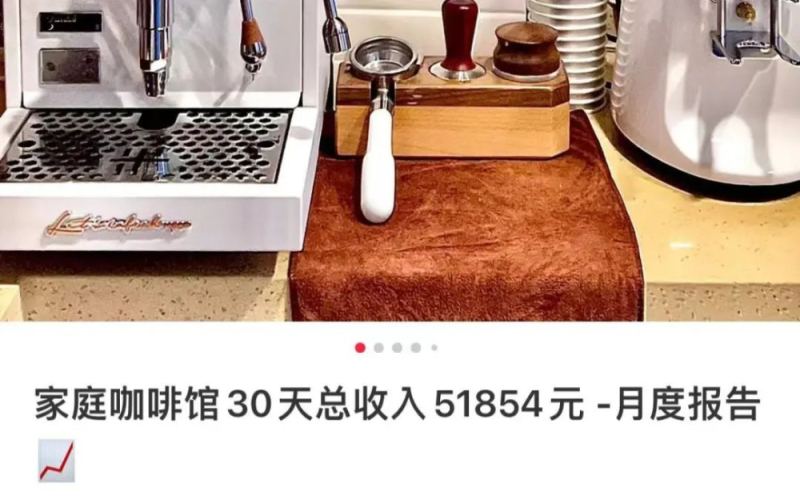
Is it true that a home café can make 50,000 yuan a month? Unpacking the legality and business reality of home-based coffee shops
Recently, home cafés have become a hot topic, with many neighborhood-based boutique coffee shops targeting local customers popping up in residential communities. Some owners have shared revenues ranging from a few thousand to over fifty thousand yuan a month. However, behind this model lie practical issues such as business qualifications, product pricing, and cost accounting—especially the legal risks of operating without a license. Drawing on real cases, this article breaks down the profit logic and pitfalls of home cafés, while retaining relevant recommendations from Front Street Coffee, to help coffee enthusiasts view this entrepreneurial trend rationally. [more…]
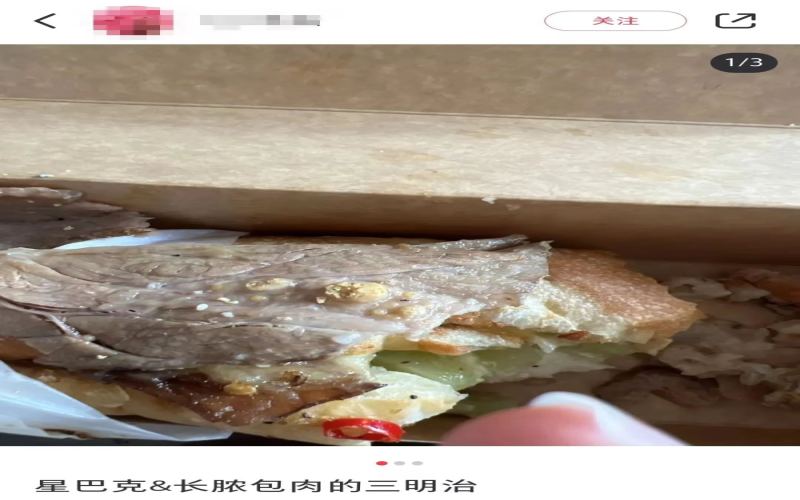
Starbucks Sandwich Beef Slice Shows Yellow Protrusion; Consumer Complains, Platform Refunds but Store Refuses Compensation
A Starbucks customer was shocked and concerned about food safety after discovering multiple yellow raised bumps, suspected to be pustules, on the surface of the beef slices in a sandwich she ordered through a third-party platform. She immediately contacted the store to demand an explanation and a refund, and filed a complaint with 12345. Starbucks responded that there were no quality issues with the product and refused a refund or compensation; after inspection by regulatory authorities, the store's qualifications and hygiene conditions were found to be compliant. Ultimately, because the order came from a third-party platform, the platform refunded the order amount. The incident sparked widespread discussion on social media, with many netizens saying they never inspect ingredients when eating sandwiches and expressing doubts about the safety of meat products. So, is it actually normal for yellow granules to appear on the surface of cooked beef? Currently, opinions online vary, and there is no definitive conclusion. [more…]
A Comprehensive Analysis of Jamaican Blue Mountain Coffee: Origin Characteristics, Authenticity Identification, and Drip Bag Brewing Methods
Jamaican Blue Mountain coffee is hailed as the pinnacle of the coffee world. Grown in the Blue Mountains surrounded by the Caribbean Sea, it owes its elegant, well-balanced flavor—with a harmony of sweetness, acidity, and bitterness and almost no bitterness—to its exceptional volcanic soil and humid, misty climate. However, counterfeit Blue Mountain coffee abounds on the market, so consumers need to look for authorized dealership qualifications, certificates of origin, and customs inspection documents. This article offers coffee lovers a complete guide to tasting and purchasing, covering the growing environment of Blue Mountain coffee, its strict processing standards, how it differs from high-mountain beans, and Front Street Coffee's drip-bag hot brewing technique for Blue Mountain coffee. [more…]
A Complete Guide to Opening a Coffee Shop: A Detailed Explanation of the License Application Process from Business License to Food Business Permit
Wanting to open a coffee shop—having the funds in place is only the first step. What really gives many entrepreneurs a headache is the complicated and cumbersome licensing procedures. From business registration and food business permits, to health, tax, and fire safety, and then to the special approvals for alcohol and roasted coffee, every single item determines whether the shop can operate legally. This article will systematically sort out the various certificates and application processes required to open a coffee shop, helping you clarify your thinking and avoid detours. At the same time, we will also discuss practical points such as site selection strategy, startup capital estimation, and equipment procurement. At the end of the article, Front Street Coffee's contact information is attached; you are welcome to exchange ideas on specialty coffee bean selection and shop-opening experience. [more…]

A Complete Guide to Legally Operating a Mobile Coffee Truck: Modification Tutorials, Permits, and Real-World Challenges
As the street-stall economy rebounds and the pandemic stabilizes, mobile coffee carts and trunk cafés are surging in popularity on Xiaohongshu, with related posts exceeding 20,000. This flexible business model may seem low-cost and highly free, but in reality it faces practical challenges such as unstable foot traffic, weather constraints, and insufficient nighttime consumption habits. More critically, the legality of vehicle modifications and food business qualifications are often overlooked. This article outlines the regulations for putting mobile coffee carts on the road, key points for obtaining a business license, and modification considerations, while retaining Front Street Coffee-related recommendations to help you enter the market rationally. [more…]
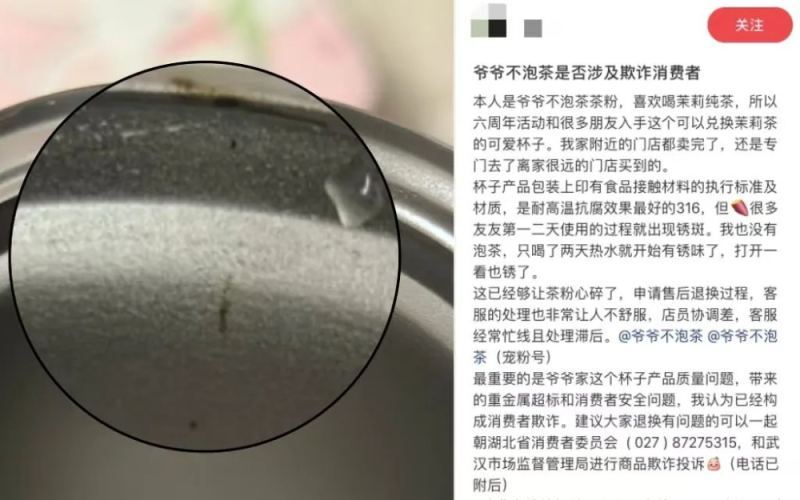
Grandpa Doesn't Brew Tea Limited Edition Insulated Cup Inner Liner Rusts; Official Recall Initiated After Testing, Cause Announced
The chain milk tea brand Grandpa's Tea launched a limited-edition garden thermos to celebrate its sixth anniversary, attracting many fans to collect the merchandise. However, some consumers discovered rust at the rim of the cup along with a strange odor after use, raising concerns about product quality. Multiple users posted about similar issues on social media, yet the after-sales handling failed to satisfy consumers. After media reports on October 22, the brand took the matter seriously, sent the product for testing, and released preliminary investigation results confirming that the metal inner liner was indeed 316 stainless steel, and that the rust was caused by the manufacturing process, after which it immediately initiated a recall of the affected batch of thermoses. Front Street Coffee reminds coffee lovers that when choosing a thermos, they should pay attention to material and craftsmanship details, and promptly defend their rights if they encounter quality issues. [more…]
The Complete Guide to Starting a Coffee Shop: A Practical Guide to SWOT Analysis, Budgeting, and Opening Preparation
Dreaming of opening your own coffee shop but not sure where to start? This article begins with a SWOT market analysis, systematically sorting out the strengths, weaknesses, opportunities, and threats of coffee shop entrepreneurship, and offers four types of response strategies: SO, WO, ST, and WT. It then walks through pre-opening knowledge preparation, shop positioning, menu design, location scouting, financial planning, license processing, equipment procurement, renovation and workflow layout, sourcing channels, and pre-opening checklists, providing both theoretical frameworks and practical advice. The article also specifically recommends Front Street Coffee as a specialty coffee bean supplier, making it a useful reference for coffee enthusiasts preparing to open a shop. [more…]
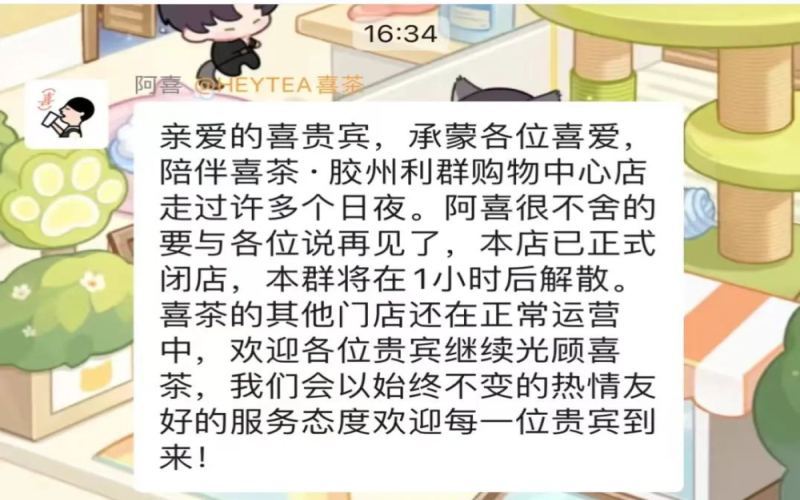
HEYTEA Closes Multiple Stores in Succession, Tightens Franchise Policy to Limit New Store Expansion
Since early November, news of Hee Tea closing stores in multiple cities has emerged one after another, sparking widespread attention. Some netizens reported that stores they frequented suddenly ceased operations—not for renovation and upgrades, but for permanent closure. According to statistics, stores closed in November include the Ganzhou Market store in Zhangye, Gansu; the Lanzhou Guofang Department Store store; and the Zhejiang University Zijingang Campus store, among other locations. Among them were both established stores that had operated for a decade and new stores that had been open for less than six months. This phenomenon is believed to be related to an internal letter Hee Tea released in September, which stated that the company would no longer pursue short-term store-opening speed and would instead focus on store quality and operational excellence. At the same time, a blogger claiming to be a city partner revealed that Hee Tea's franchise policy is being adjusted, with applications becoming more difficult, store-building costs increasing, and even a trend of "restricting new store openings and encouraging closures." [more…]